



China is the largest exporter of molecular sieve, shipping roughly 197,000 tonnes in 2026 out of an estimated 415,000 tonnes of global trade. For most buyers the question is not whether to source from China but how to do it without losing capacity in transit or discovering at the plant that the batch does not match the certificate. This is the checklist we work through with new customers.
1. Specify the duty, not just the grade
Send the stream composition, the impurity you have to remove, the target outlet specification, the operating pressure and temperature, the cycle time and the regeneration conditions. A grade name alone is not a specification — the same 4A can be supplied at different bead sizes, binder levels and crush strengths for very different service lives.
| What to state | Why it matters |
|---|---|
| Stream composition and the impurity to remove | Decides pore size, and whether co-adsorption will be a problem |
| Target outlet specification | Sets bed depth and cycle time, not just grade |
| Operating pressure and temperature | Equilibrium capacity is condition-dependent |
| Regeneration temperature and gas | Sets the practical service life and rules out some grades |
| Bead size and bed geometry | Affects pressure drop and mass transfer zone |
| Quantity per year and per shipment | Decides packaging and whether a framework price makes sense |
2. Fix the documents before you fix the price
- Certificate of analysis per batch. Not per order, per batch. Insist on it and check that the batch number on the certificate matches the batch number on the packaging.
- Technical data sheet giving typical values for static water adsorption, bulk density, crush strength, attrition and moisture as shipped.
- Safety data sheet in the language required at your destination.
- REACH status. If you import into the European Union, ask for a written statement of the registration status for the substance and tonnage band that applies to your import. Do not accept a verbal assurance.
- Country of origin and packing list consistent with the commercial invoice, so your customs entry does not get held.
One caution on REACH: a genuine supplier will tell you exactly what is registered and what is not, and will say so in writing. A supplier who says “fully certified” without naming the registration is not answering the question.
3. Treat packaging as part of the product
| Packaging | Typical use | Note |
|---|---|---|
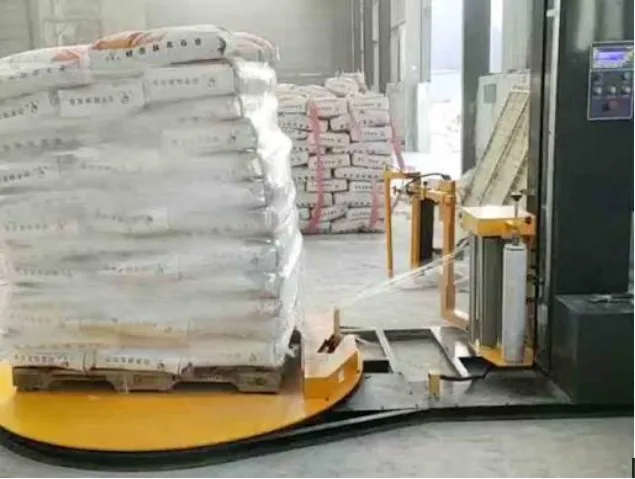
| 25 kg bag | Sample to small plant orders | Easiest to handle; most surface area per tonne |
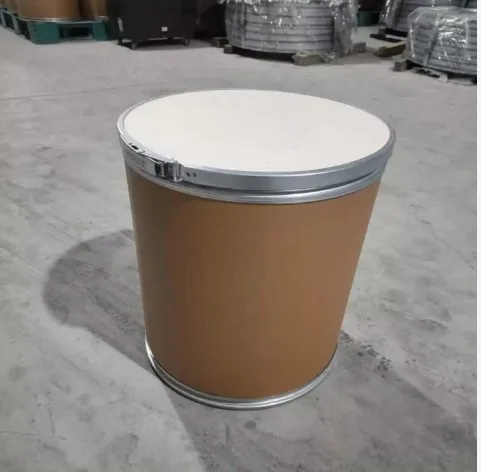
| 150 kg steel drum | Standard export for formed sieve | Good barrier; higher drum cost per tonne |
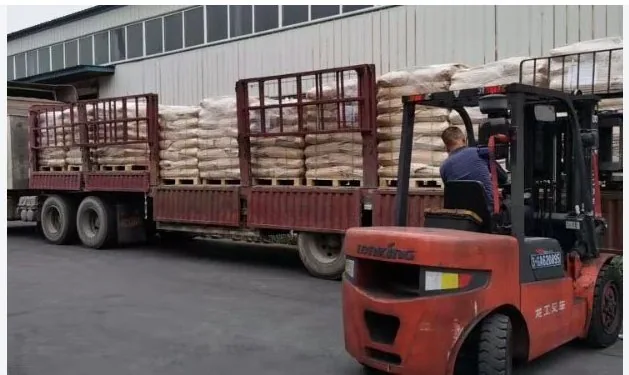
| 1,000 kg big bag | Full-container orders | Lowest handling cost; needs a dry container and careful loading |
| Foil-lined sample pouch | 0.5-1 kg qualification samples | Should be sealed with a desiccant, not just closed |
Molecular sieve starts adsorbing moisture the moment the packaging is opened, and slowly through any barrier that is not sealed. Two practical rules: order in the largest pack size you can actually handle, and do not open a drum or big bag until the bed is ready to be charged. Material left open in a humid warehouse has already spent part of the capacity you paid for.
4. Know the trade terms and the local charges
- Freight. The most volatile line on the invoice. Say whether you want the supplier to nominate the carrier or whether you will nominate under FOB.
- European Union buyers: the carbon border adjustment mechanism applies to imports in this category and was reported to add roughly 3.8% to the price of higher-end non-EU material. Build it into your landed cost.
- Duty. Classification differs by country and by product form. Confirm the code with your broker before the first shipment, not after it lands.
- Transit time. Plan on production lead time plus sea transit plus customs. A 10-15 day production window is of no use if the booking is missed.
5. Inspect on arrival, before you charge the bed
- Check drum or bag seals before unloading.
- Record the batch numbers and match them to the certificate of analysis.
- Check for fines. A bag of broken beads means the material was handled badly, and fines increase pressure drop in the bed.
- If you have the facility, measure the moisture content as received. If it is far above the shipped figure, the packaging failed in transit and that is a claim — but only if you recorded it before charging.
- Retain a sealed sample from each batch. When a bed underperforms eighteen months later, that sample is the only way to answer the question.
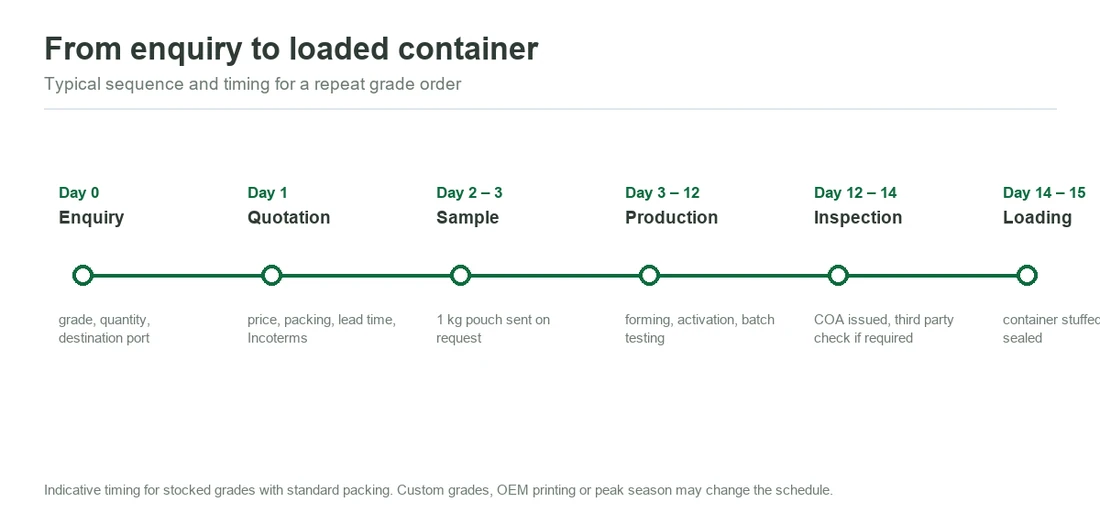
Our standard terms are 1,000 kg minimum, 10-15 days from confirmed specification to shipment for stocked grades. See how we pack and ship, what we test, and request a sample to qualify a grade before you commit to a container.
Related reading
- Molecular Sieve Price 2026: What Buyers Should Budget
- What Sets the Cost of Molecular Sieve
- Molecular Sieve Demand in 2026 by Application
- Molecular Sieve Technology in 2026
Frequently asked questions
What is the minimum order quantity when importing molecular sieve from China?
For formed molecular sieve beads, 1,000 kg is a typical export minimum. Qualification samples of 0.5-1 kg are normally available before you commit to a production batch.
How long does an order take from confirmation to shipment?
For stocked grades, 10-15 days from confirmed specification to shipment is standard. Add sea transit and customs clearance for the landed date, and book freight early because that is the most volatile part of the schedule.
What documents should I require from a molecular sieve supplier?
A certificate of analysis per batch with batch numbers matching the packaging, a technical data sheet with typical values, a safety data sheet in the required language, a written REACH status statement if importing into the EU, and a commercial invoice and packing list consistent with the country of origin.
How should molecular sieve be packed for sea freight?
25 kg bags, 150 kg steel drums or 1,000 kg big bags, with foil-lined pouches for samples. The barrier matters more than the pack cost: molecular sieve adsorbs moisture from the moment packaging is opened, so use the largest pack size you can handle and keep it sealed until the bed is ready to charge.
Does the EU carbon border adjustment mechanism apply to molecular sieve?
It applies to imports in this product category and was reported to add roughly 3.8% to the price of higher-end non-EU material in 2026. European buyers should build it into landed cost calculations rather than discovering it at customs.
Prices and market figures in this article are taken from publicly published third-party sources and are dated where known. They are industry reference points, not our quotation. We do not publish a price list — every quotation is built from grade, bead size, quantity, packaging and Incoterms. Ask us for a current quote for your specification.