


Manufacturing — How We Make Molecular Sieve
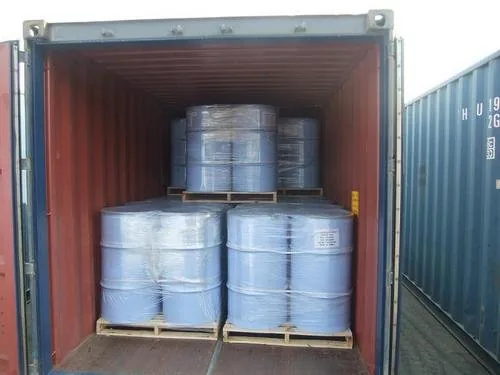
From gel to sealed bag, in six steps
This page describes how our plant makes zeolite molecular sieve and carbon molecular sieve, what changes from grade to grade, and what we can vary for a specific order. It is written for buyers who need to know that the product is made, tested and packed by the same organisation that signs the COA.
Zeolite molecular sieve: the process
1. Synthesis
Sodium aluminate and sodium silicate react under controlled temperature, alkalinity and agitation. The gel crystallises into the zeolite framework.
2. Ion exchange
The pore opening is set by exchanging the cation: potassium gives 3A, sodium 4A, calcium 5A; lithium exchange of low-silica X gives Li-LSX.
3. Forming
Crystals are formed into beads or pellets with a binder — beads by agglomeration, pellets by extrusion.
4. Calcination
Binder cured and crystal water driven off. Over-firing damages the crystal; under-firing leaves residual moisture in the pores.
5. Screening
Product screened to the ordered size range and de-dusted, because fines cause pressure drop and dust downstream.
6. Sealed packing
Activated sieve adsorbs moisture from ambient air within hours, so sealed packing is the last production step, not a warehouse formality.
Carbon molecular sieve: the process
Separation by rate, not equilibrium
A carbonaceous precursor is carbonised and its pore mouths narrowed until oxygen enters much faster than nitrogen. The shorter the PSA cycle, the more the rate difference is exploited — control of the pore-narrowing step is what sets nitrogen purity and output.
What we can vary for your order
| Parameter | Standard | On request |
|---|---|---|
| Grade | 3A, 4A, 5A, 13X, 13X APG, Li-LSX, CMS | Specification matched to a product you are replacing |
| Form | Beads (1.6–2.5 mm, 3.0–5.0 mm) | Pellets (1/16", 1/8") |
| Binder content | Standard binder system | Low-binder / high-zeolite-content grades |
| Adsorption capacity | Per grade TDS | Minimum guaranteed value on the COA |
| Packing | 25 kg carton or paper-plastic bag | 130–150 kg steel drum, 750–1,000 kg big bag, private label |
| Documentation | COA, TDS, SDS, packing list, certificate of origin | Documents in the buyer’s name, third-party inspection |
Capacity and lead time
6,000 t/y
Across all grades
Zhengzhou
Henan, China
10–15
Working days ex-works
Audit welcome
In person or by video
Packing for export
Moisture-barrier packing is part of production quality
Standard packing is a 25 kg net carton or paper-plastic composite bag with an inner moisture-barrier liner, palletised at 1,000 kg per pallet and stretch-wrapped. Drums and 750–1,000 kg big bags are available where the handling system suits them. Bags are marked with grade, lot number, net weight and production date.
Inside our factory
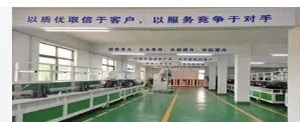
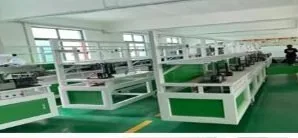
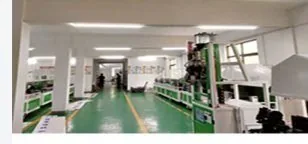
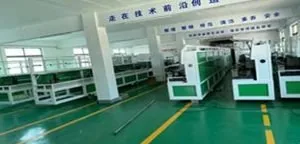
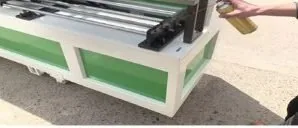
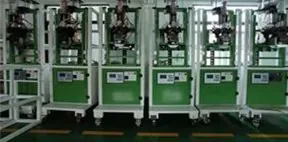
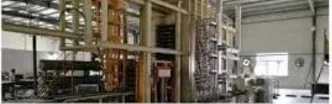
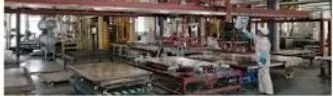
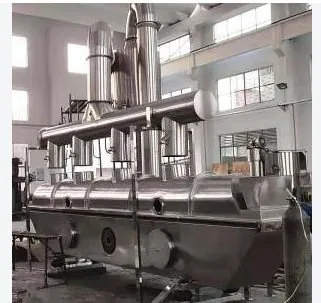
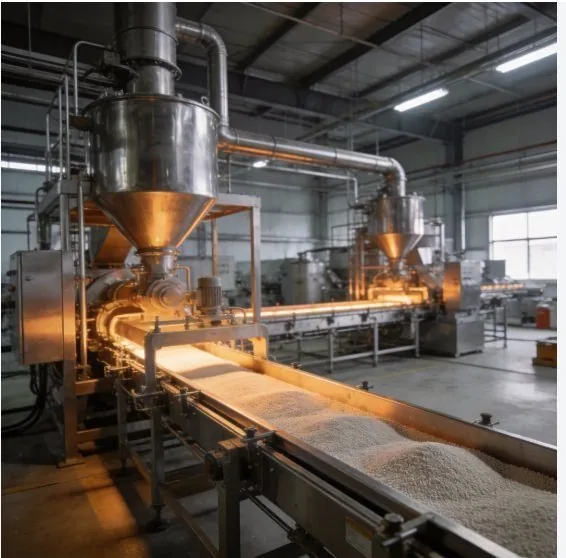
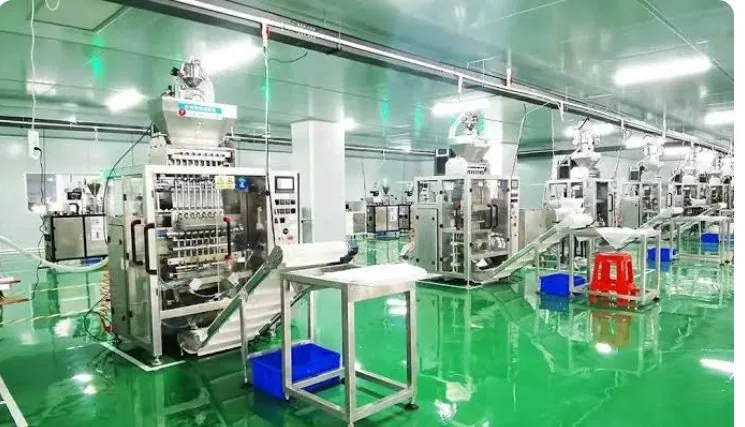
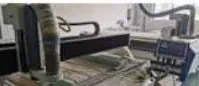
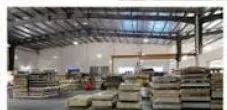
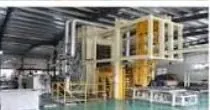
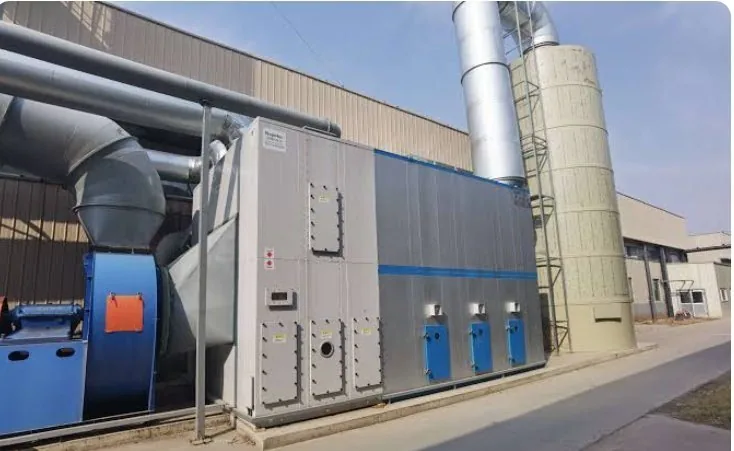
Photos from our production base: workshops and assembly lines, the high-temperature activation furnace area, stainless steel process vessels, the automated packaging line and the finished-goods warehouse. Customers are welcome to arrange a factory visit or a third-party inspection before shipment.

Ask for a quote or a plant audit
Email sales@zeolitemolecularsieve.com or call +86 153 7878 8801 — 08:30–18:00 China time, Monday to Saturday.
The plant behind the products
Our molecular sieve is produced at Pingxiang Jianghua Environmental Packing Co., Ltd. (Jianghua Packing), Pingxiang, Jiangxi — a chemical packing plant that is a qualified member of Sinopec’s “Three Agents” cooperation network and an approved supplier member of ChemChina Group. Production runs under an ISO 9001 quality-management system, and the plant’s own testing laboratory checks chemical composition, dimensional tolerance, crush strength, water absorption and acid/alkali resistance on every batch before packing. Several ceramic and plastic packing designs are protected by national patents. The full credential list is on our Documents & Compliance page.