


Custom & OEM Molecular Sieve
Custom grades and OEM packing
Most buyers start from a standard grade and then need two or three things changed: the particle size, the packing, or the paperwork. All three are normal for us. Custom grades are confirmed in writing after a feasibility check with production — we tell you what we can hit before you commit.
Discuss your requirementRequest a sample1,000 kg
MOQ for custom grades
2
shapes: beads and pellets
3
packing formats
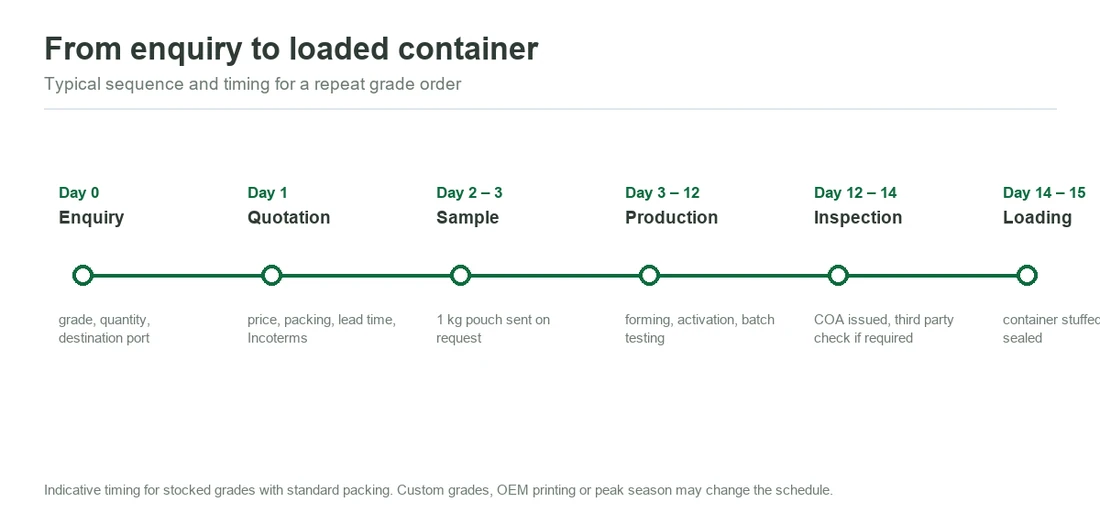
10–15
working days, standard grades
What we can vary
| Parameter | Standard range | What we can adjust |
|---|---|---|
| Particle size | 1.6–2.5 mm, 3–5 mm | Other sizes subject to a trial batch and a screening check |
| Shape | Spherical beads, extruded pellets | Either shape, chosen for attrition or pressure drop |
| Bulk density | 0.60–0.70 g/mL by grade | Target within the production window for that grade |
| Static water adsorption | Typical values by grade | Target agreed in writing and tested on the trial batch |
| Attrition / dust | Standard production limit | Tighter limit on request, with the test method stated on the COA |
| Moisture at packing | Controlled by the packing line | Lower target where the duty needs it |
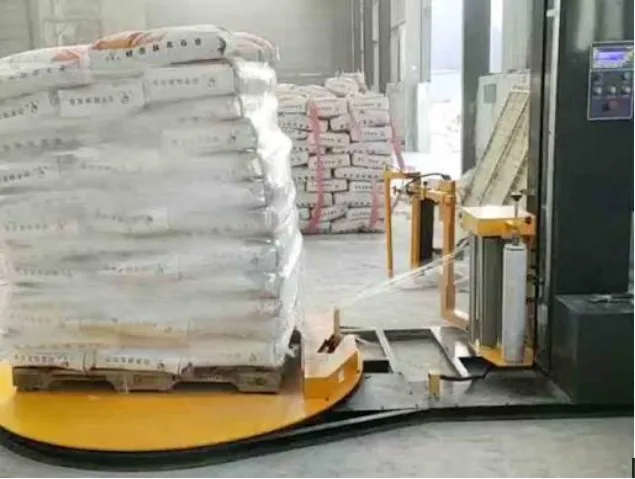
| Packing | 25 kg bag, 130–150 kg drum, 750–1,000 kg big bag | Pallet configuration, stretch wrap, liner specification |
| Marking | Grade, lot, net weight, production date | Your brand, your part number, your barcode on bags and drums |
| Documents | COA, TDS, SDS, packing list | Your own document set, NDA-protected |
How a custom grade runs
1. You send the duty
The grade you use now, its data sheet if you have one, the vessel or process conditions, and what has to be achieved. A competitor’s specification is enough to start.
2. We confirm feasibility
Production confirms which lines we can match, which we can only approach and which we cannot meet — in writing, with the reason.
3. Trial batch and sample
A trial batch is made and 1–5 kg is sent for your own laboratory to test with your own method.
4. Specification signed
Both sides sign the agreed parameter list and test methods. That list is what your COA is checked against.
5. Bulk production
Production runs to the signed specification, the batch is tested, and the COA is issued before loading.
6. Repeat orders
The signed specification stays on file, so repeat orders are released against the same parameters without re-negotiation.
Custom grades take longer than standard ones and carry a higher MOQ, because a trial batch has to be made and tested first. We tell you both numbers before you commit.
Custom runs on the same lines
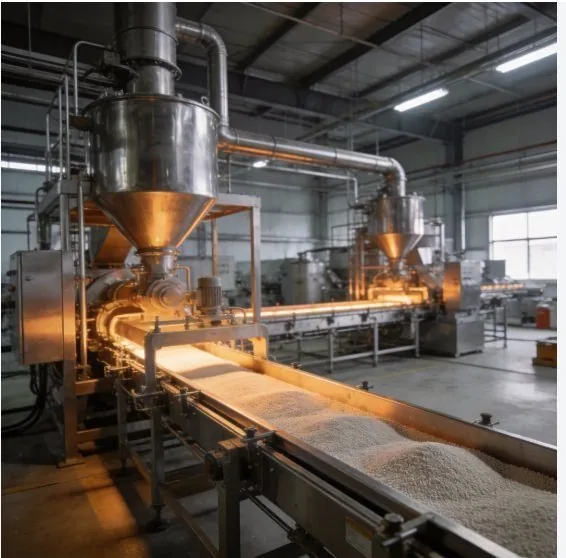
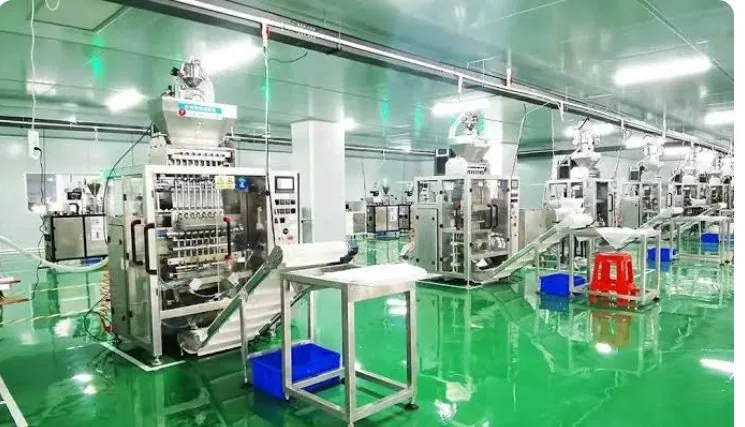
Custom bead sizes, binders and OEM packing run on our standard forming and packaging lines.
Have a specification to match?
Send the data sheet you are working against and we will come back with what we can match, what we can approach and a price for the trial batch.