


Applications
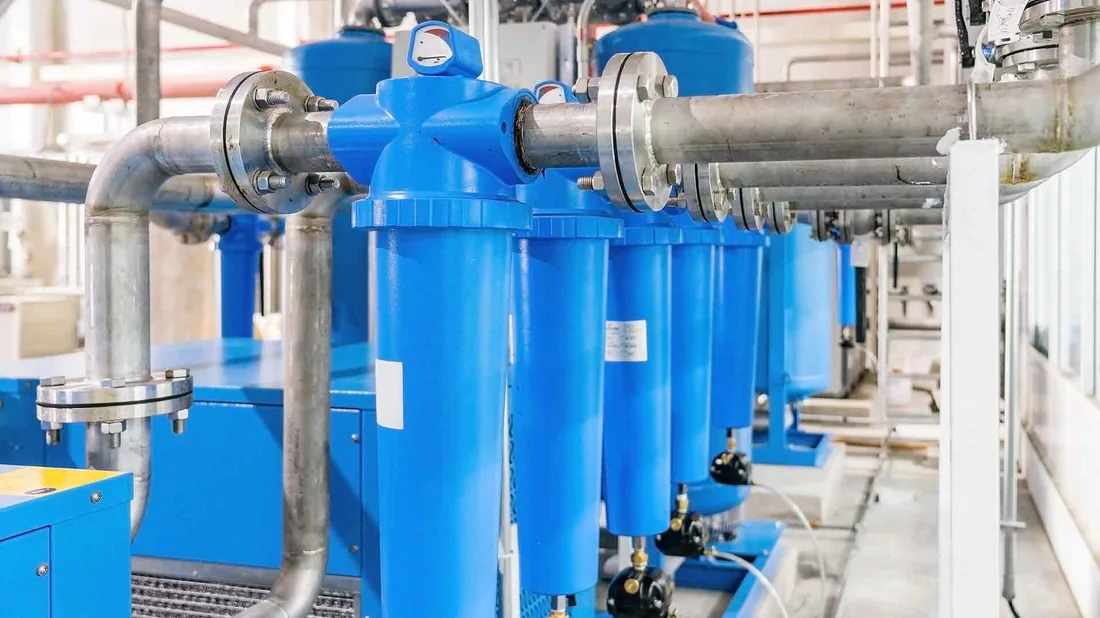
Five duties, and the grade we ship for each
Where each grade earns its place — what the duty is, which grade we ship for it, and the numbers that decide the bed design. If your process is not listed, send the stream data and we will work it through with you.
Match your duty to a grade
| Application | Grade we ship | What it removes or separates | Typical duty | Design point that matters |
|---|---|---|---|---|
| Natural Gas Dehydration | 4A, 3A | Water, to stop hydrates and corrosion | Pipeline-sales gas, LNG pre-treatment, biogas upgrading | Water loading at the regeneration temperature sets cycle length |
| Industrial Drying | 3A, 4A, 13X | Water from gas and liquid streams | Compressed air, solvents, ethanol, refrigerants, LPG | 3A where the product must not be co-adsorbed |
| Air Separation | 13X, 13X APG | H2O and CO2 before the cold box | Pre-purification of feed air | CO2 breakthrough, not water, usually ends the cycle |
| Oxygen Generation | Li-LSX, 5A, 13X HP | Nitrogen, to raise O2 purity | VPSA / PSA oxygen, medical concentrators | N2 capacity and selectivity at the cycle time |
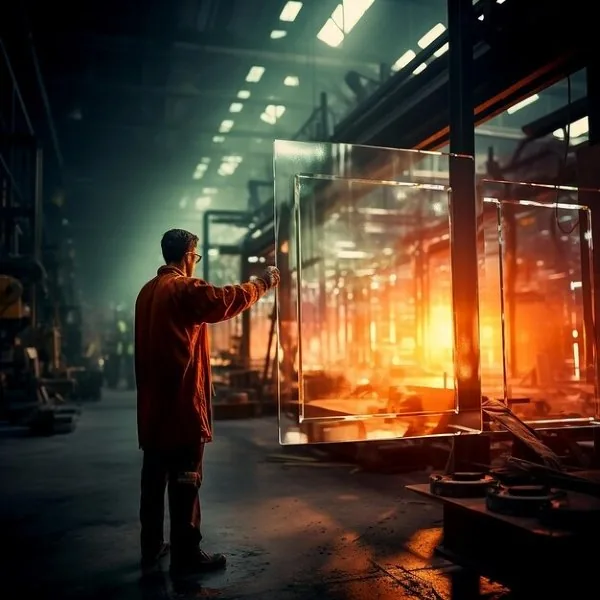
| Insulating Glass | 3A | Moisture sealed inside the unit | Double and triple glazed units | 3A only — 4A co-adsorbs nitrogen and bows the glass |
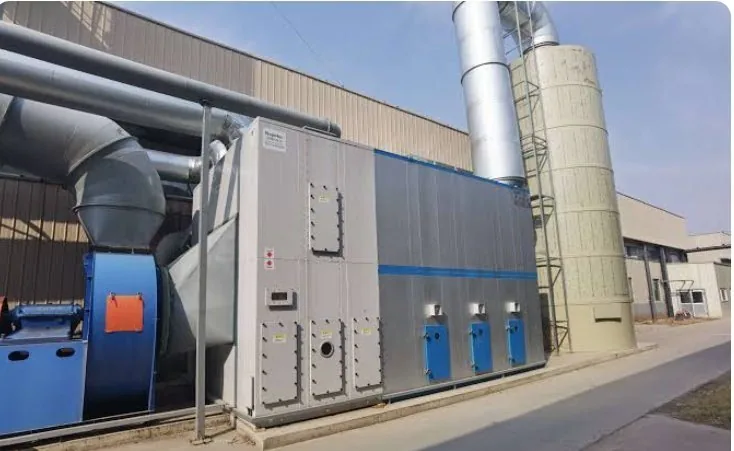
VOC and Emission Control
Adsorbent for solvent-laden air, where the stream is dry or pre-dried.
100–5,000 ppm as carbon · 13X or hydrophobic grade
Refrigeration and A/C Drying
3A desiccant for refrigerant, lubricant and system drying.
Pore 0.3 nm · −40 to 80 °C · HFC / HFO compatible
Open an application
Natural Gas Dehydration
Water removal to meet pipeline specification and prevent hydrate formation. 3A and 4A, with the cycle set by regeneration temperature.
Dew point typically to −40 °C · 20–100 barg · 3A / 4A
Industrial Drying
Compressed air, solvents, ethanol, refrigerants and LPG. Choosing 3A or 4A turns on whether the product itself may be co-adsorbed.
Outlet moisture 10–100 ppm · ambient to 80 °C · 3A / 4A / 13X
Air Separation
Feed-air pre-purification ahead of the cold box: water and CO2 in the same bed, with 13X APG the usual choice.
Outlet CO2 <1 ppm · dew point −60 °C · 13X APG
Oxygen Generation
VPSA and PSA oxygen up to medical purity. Li-LSX gives the highest nitrogen capacity per unit of bed volume.
O2 90–95% · 1.5–4 barg · Li-LSX
Insulating Glass
Moisture adsorbed inside the sealed unit. 3A is used because 4A would co-adsorb nitrogen and deflect the glass.
Beads 0.5–1.6 mm · argon compatible · 3A only
Something else
Hydrogen purification, ethanol dehydration, refrigerant drying, carbon dioxide removal — send the stream data and we will size it.
What we need from you to recommend a grade
| Information | Why it decides the grade |
|---|---|
| Stream composition | Which molecules are present decides pore opening and selectivity |
| Pressure and temperature | Adsorption capacity is a function of both |
| Flow rate and cycle time | Sets bed volume and whether kinetic separation will work |
| Target outlet specification | The number the bed actually has to hold |
| Regeneration method and temperature | What can be driven off again, and at what cost |
| Bed dimensions or vessel drawing | Whether an existing vessel must be reused |
A grade chosen only on price usually costs more to run. Regeneration energy, working capacity at your conditions, service life and how often the bed has to be replaced are where the money is, and they differ by grade.
Where our sieves are working
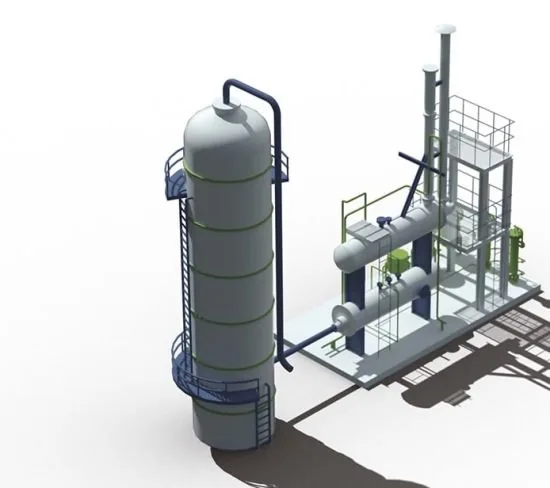
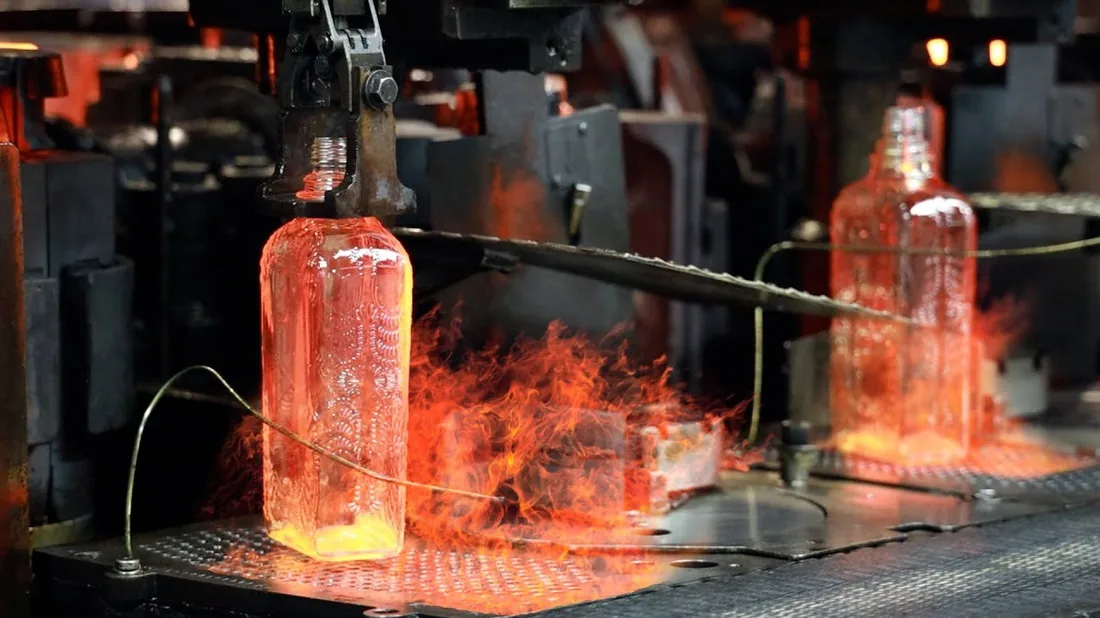
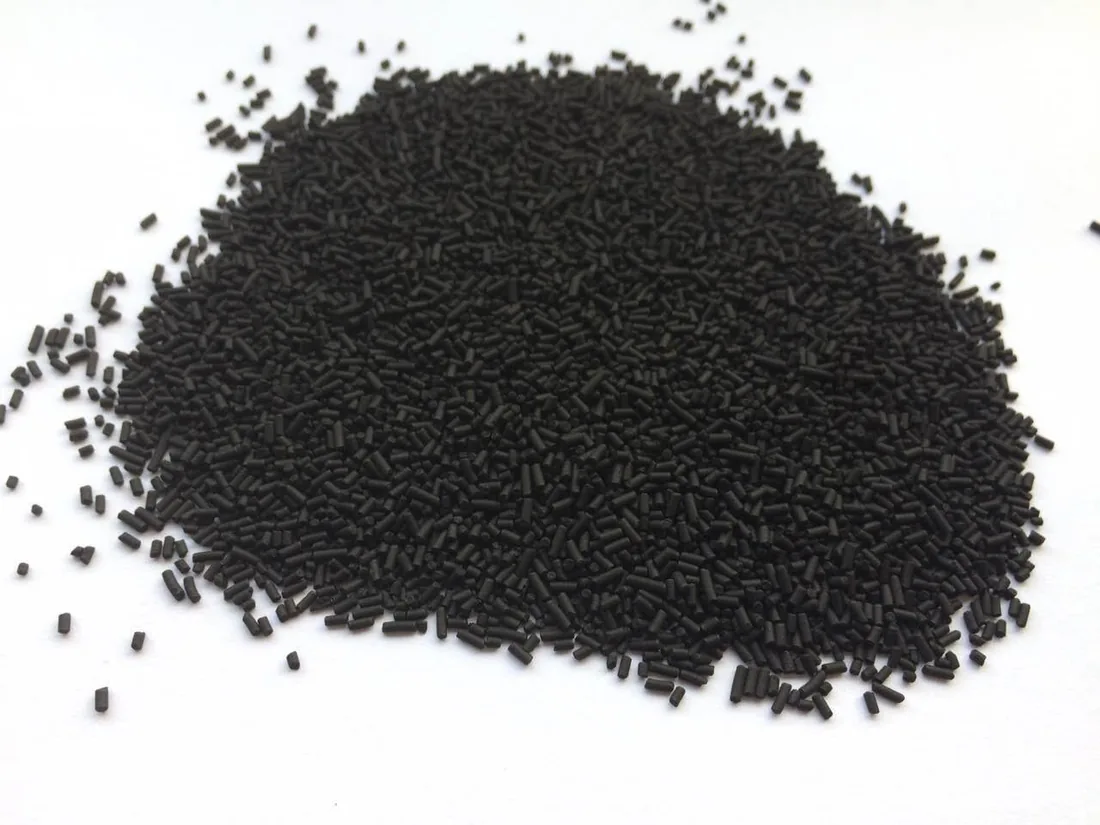
From natural gas dehydration to PSA oxygen concentrators — the same grades, tuned by bead size and bed design to each duty.
Send the duty, get a recommendation
Email sales@zeolitemolecularsieve.com with the six items above and we will come back with a grade, a quantity and a price.