


Molecular Sieve Grade Comparison
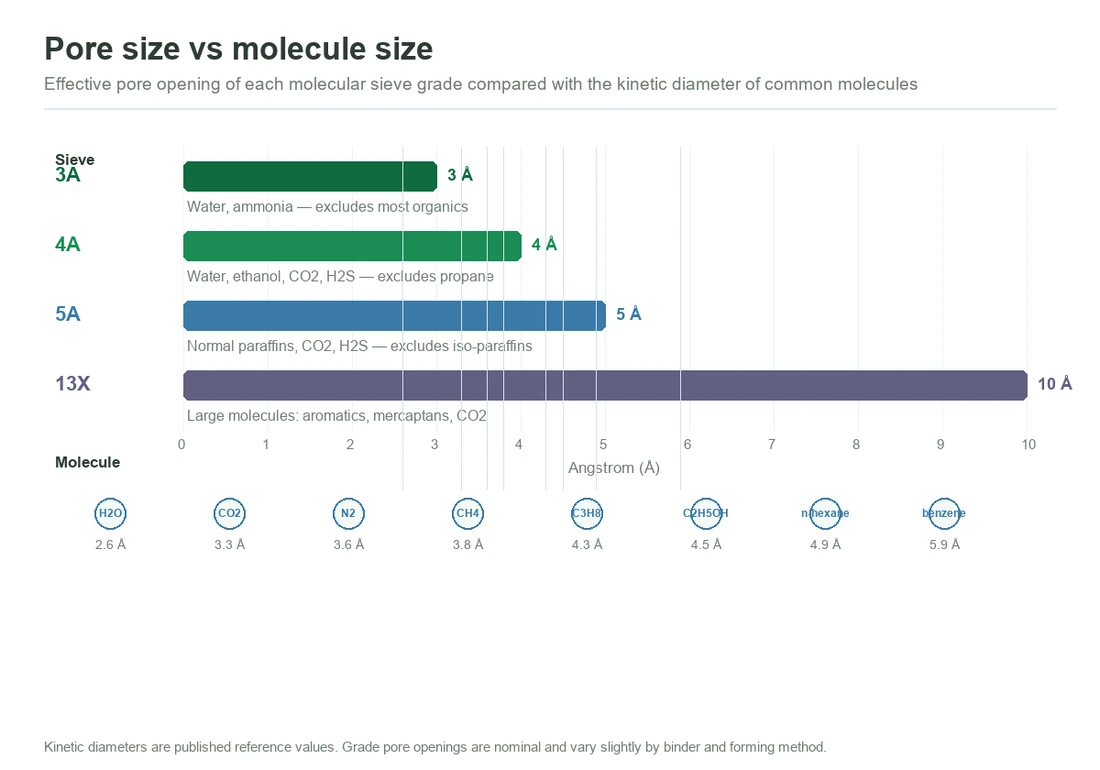
Seven grades leave our plant. The difference that matters is pore size — it decides which molecules get in and which stay out, and that single number picks the grade for you. Use this table to shortlist, then open the grade page for the full specification and its TDS.
| Grade | Pore | Adsorbs | Kept out | Where it is used |
|---|---|---|---|---|
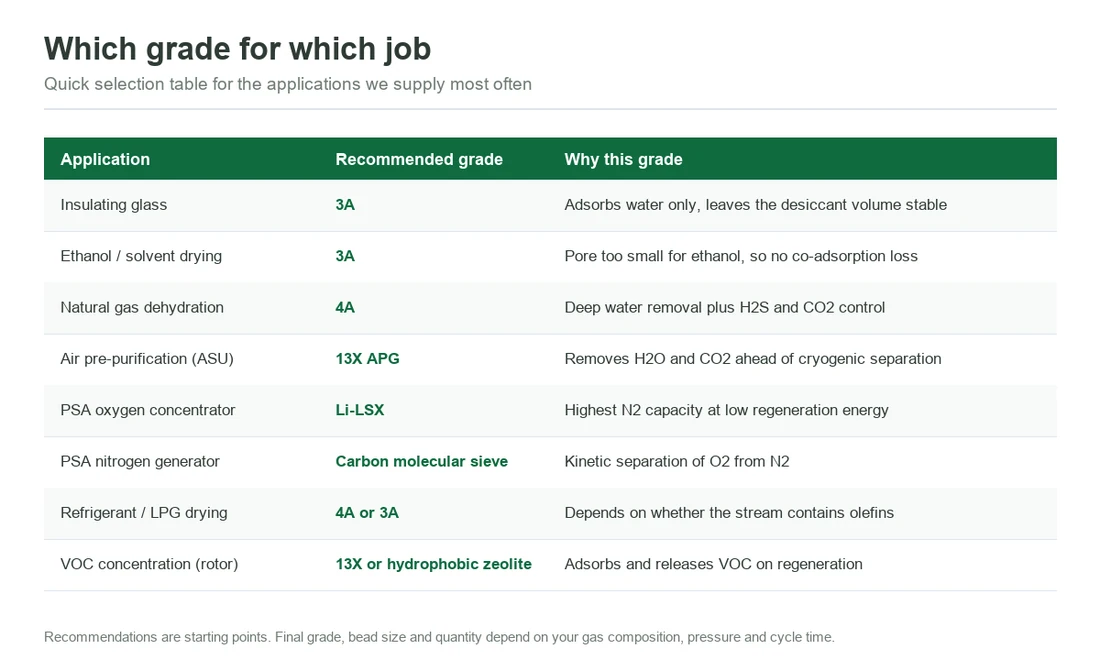
| 3A | 3 Å | Water | Ethane and larger molecules | Insulating glass, ethanol dehydration, refrigerant drying |
| 4A | 4 Å | Water, methanol, ethanol, H₂S | Propane and larger molecules | Compressed air drying, packaging desiccant, general gas drying |
| 5A | 5 Å | Water, CO₂, normal paraffins | Branched and cyclic hydrocarbons | Air separation, PSA hydrogen, n-paraffin separation |
| 13X | 10 Å | Water, CO₂, H₂S, aromatics, mercaptans | — | Gas sweetening, air pre-purification |
| 13X APG | 10 Å | CO₂ and water with no co-adsorption of N₂/O₂ | Nitrogen, oxygen | Cryogenic air separation pre-purification |
| Li-LSX | Li-exchanged X | Nitrogen (high selectivity) | — | PSA / VPSA oxygen |
| Carbon molecular sieve | Kinetic 3–5 Å | Oxygen (faster than nitrogen) | — | PSA nitrogen generation |
How to choose in three questions
1. What has to come out?
Water only → 3A or 4A. Water plus CO₂ → 13X. Nitrogen from air → carbon molecular sieve or Li-LSX.
2. What must stay in?
If a valuable molecule must not be adsorbed, pick the pore just below its diameter — that is why insulating glass uses 3A and not 4A.
3. How will you regenerate it?
Temperature-swing beds use 3A/4A/5A/13X. PSA and VPSA plants use Li-LSX or carbon molecular sieve, which regenerate on pressure release, not heat.
Regeneration temperature by grade
| Grade | Typical regeneration temperature | Regeneration method |
|---|---|---|
| 3A / 4A / 5A | 200–315 °C | Temperature swing with dry purge gas |
| 13X / 13X APG | 250–315 °C | Temperature swing with dry purge gas |
| Li-LSX | Pressure release | PSA / VPSA cycle, no heater |
| Carbon molecular sieve | Pressure release | PSA cycle, no heater |
Documents: every grade ships with a certificate of analysis. Typical TDS and SDS are available before you order.
The four families side by side
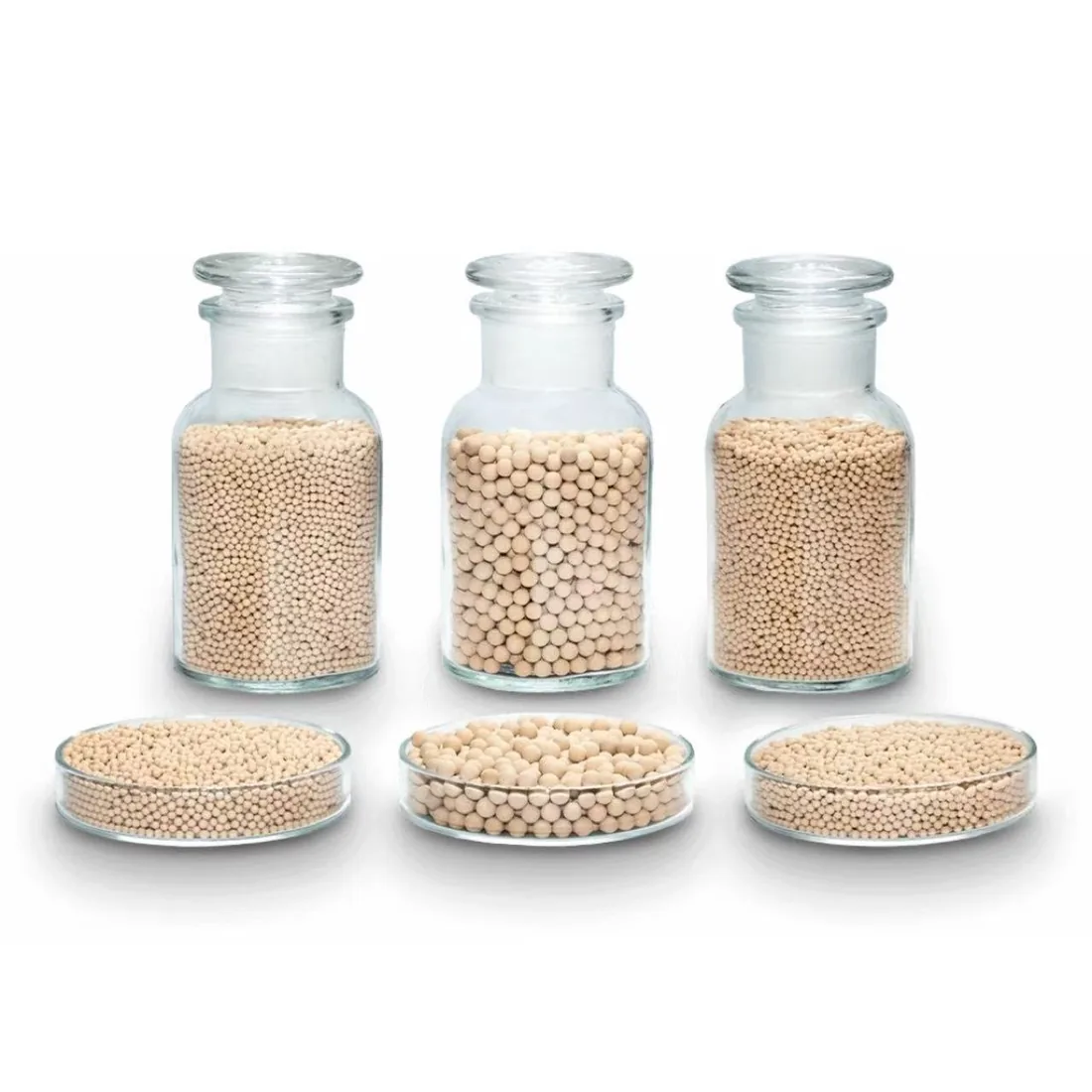
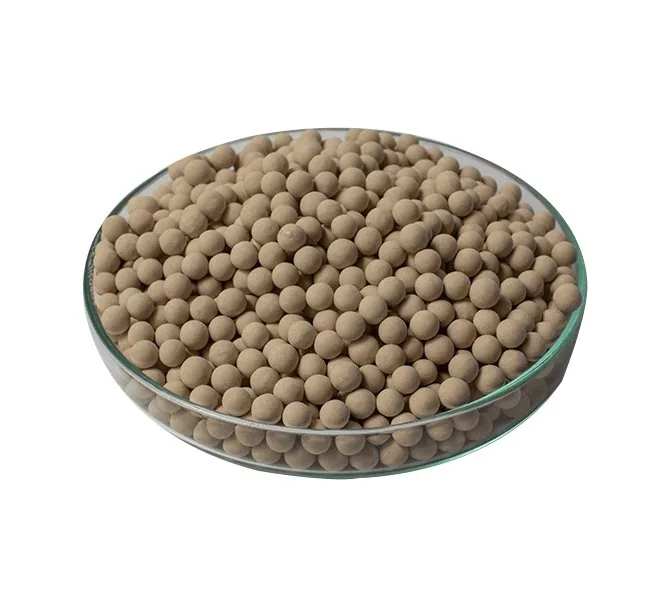
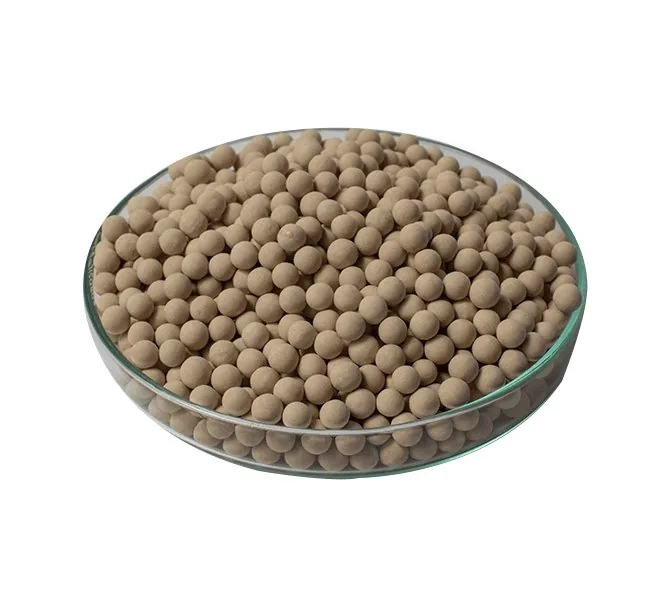
3A, 4A and 13X beads from our current production.
Not sure which grade fits your plant?
Send the gas or liquid composition, flow, pressure and temperature. Our engineers confirm the grade and the bed size, and quote factory-direct.